Re-domiciliation to Hong Kong: A Single Probate for the Offshore Holding Company


Since 23 May 2025, a company incorporated in the British Virgin Islands (BVI), the Cayman Islands or Bermuda can re-domicile to Hong Kong under Part 16A of the Companies Ordinance (Cap. 622). Once re-domiciled, its shares become Hong Kong assets. On the shareholder's death, the family needs only a Hong Kong grant of probate; no second grant or resealing is required offshore. The same change also brings the shares within the reach of a Hong Kong Enduring Power of Attorney during the owner's lifetime.
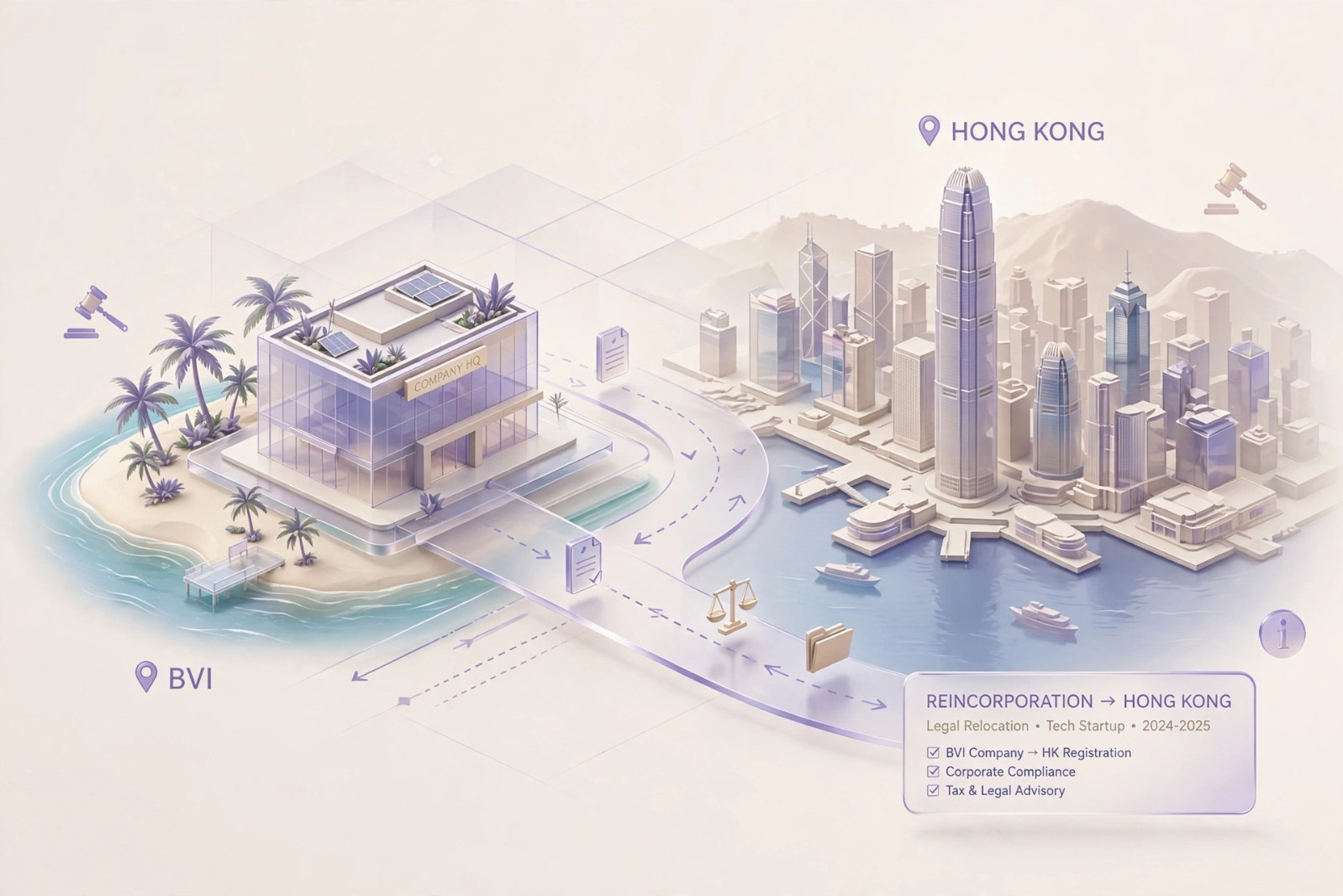
Figure 1 Re-domiciliation to Hong Kong: A Single Probate for the Offshore Holding Company,Source:CYL
Introduction
For an individual holding wealth through a company incorporated in the British Virgin Islands, the Cayman Islands or Bermuda, the transmission of that wealth to the family upon death presents a persistent structural difficulty. The company is administered from Hong Kong, and the will is governed by Hong Kong law, yet the shares are legally situated offshore. The estate must therefore be administered in two jurisdictions, with duplicated time, cost and procedure.
To make matters worse, the confidentiality and light compliance enjoyed by companies in these jurisdictions have been gradually eroded in recent years. The BVI Business Companies (Amendment) Act 2024 requires every BVI company to file its register of members and beneficial ownership information with the Registrar, while the Cayman Islands Beneficial Ownership Transparency Act 2023 imposes comparable obligations backed by administrative fines.
In the circumstances, re-domiciling the wealth holding company to Hong Kong in anticipation of future probate has become a more attractive option. The re-domiciliation regime introduced in Hong Kong on 23 May 2025 allows a foreign company to become a Hong Kong company, without material change to the company itself, through a streamlined procedure.
1. The Hong Kong Re-domiciliation Regime
The Companies (Amendment) (No. 2) Ordinance 2025 inserted Part 16A into the Companies Ordinance (Cap. 622), permitting a non-Hong Kong corporation to become a Hong Kong-incorporated company while preserving its legal identity, structure, assets and contracts.
The requirements of re-domiciliation for companies are not onerous. The applicant must be solvent, have completed one financial year, have obtained the approval of its members, and be permitted by the law of its original domicile to re-domicile. To the benefit of wealth holding companies, no Hong Kong business activity is required.
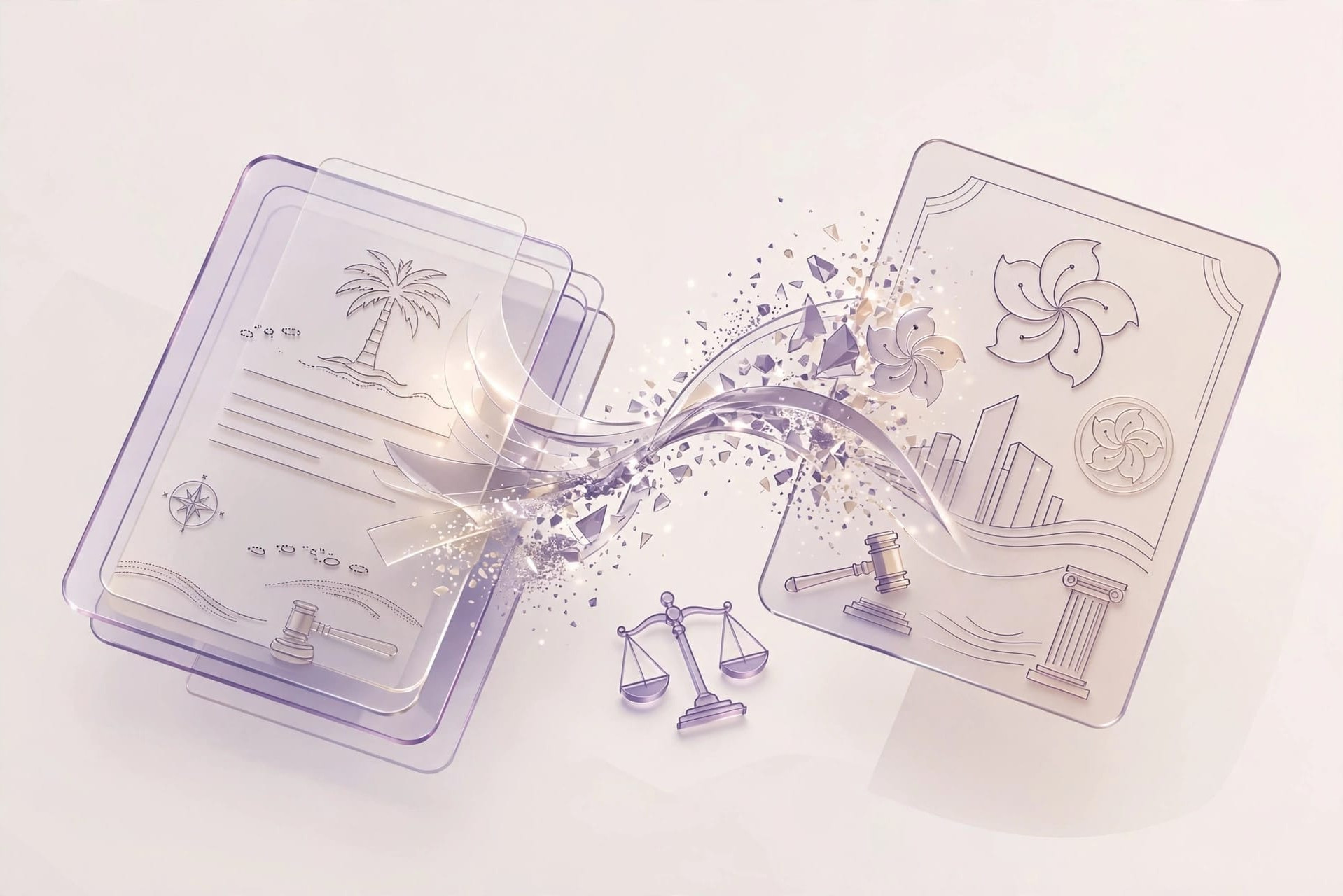
Figure 2, The Hong Kong Re-domiciliation Regime, Source: CYL
2. Offshore Shares, Offshore Probate
A common assumption runs: "My offshore company holds the properties and the family business. My Hong Kong will is properly drafted. Surely the executors will handle everything in the company once probate is granted in Hong Kong."
This is, unfortunately, a misconception as to the nature of offshore company shares. Shares are situated where the company is incorporated, so a Hong Kong grant alone has no effect in respect of shares in an offshore company. Upon the shareholder's death, those shares cannot be transferred or voted, and no director can be appointed. If the deceased was the sole director, the company comes to a standstill, as no one can make decisions on its behalf.
The deceased's family must therefore deal with probate in two jurisdictions. Taking a BVI company as an example, after the successful application for the grant of probate in Hong Kong, which is itself a protracted process, the executor named in the will must then instruct BVI counsel to apply to the BVI court. Since the Probates (Resealing) Act 2021 came into force, the executor may apply to reseal a Hong Kong grant instead of initiating a fresh application. However, the resealing application in BVI still requires an application on oath, a declaration and account of the BVI estate, documents notarised and apostilled, and advertisement in a BVI newspaper. The deceased’s family must therefore conduct two protracted probate applications in two jurisdictions for a single estate.
An alternative to resealing is transferring the underlying assets to a new Hong Kong company during the lifetime. However, such a transfer attracts stamp duty in Hong Kong where it involves Hong Kong immovable property or Hong Kong stock. Further, the bank accounts and contracts of the original holding company cannot be preserved: bank accounts must be re-opened, and contracts novated to accommodate the new company.

Figure 3, Offshore Shares, Offshore Probate, Source: CYL
3. Bringing the Shares Home
Upon re-domiciliation, the company becomes a Hong Kong-incorporated company and its shares become Hong Kong assets. Upon the shareholder's death, the family need only proceed with the probate application in Hong Kong, saving the time and cost of an additional application in a foreign jurisdiction and minimising the period during which the company cannot act. At the same time, the company's legal identity, business, assets, contracts and operations remain unchanged, preserving continuity in the management of its assets.

Figure 4, Bringing the Shares Home, Source: CYL
4. Beyond Probate: Incapacity during Lifetime
Through an Enduring Power of Attorney (EPA), if the donor loses mental capacity, the attorney can manage his or her assets. However, if the donor is shareholder of an offshore company, an attorney appointed under a Hong Kong EPA has no authority over shares in a BVI, Cayman or Bermuda company, because the EPA is not recognised in those jurisdictions (see [Can You Appoint a Substitute Attorney in a Hong Kong Enduring Power of Attorney (EPA)? Why is the High Court Refusing to Register "Second" EPAs in Advance?]). A separate offshore instrument or court order would be needed. After re-domiciliation, the shares are Hong Kong assets and fall within the attorney's authority, so the company can continue to be managed throughout the owner's incapacity and, on death, pass under a single Hong Kong grant. Having the will, the EPA and the company governed by a single legal system greatly saves time and cost for the family.

Figure 5, Beyond Probate: Incapacity during Lifetime, Source: CYL
5. A one-way street
The regime is at present inward only: a company that has re-domiciled to Hong Kong cannot subsequently migrate to another jurisdiction, so re-domiciliation is currently an irreversible decision. The Hong Kong Government has given no indication that it will introduce an outward regime for re-domiciled companies.
If an outward regime were implemented, it would remove the principal hesitation over re-domiciliation. A company that has migrated to Hong Kong could later be re-domiciled to another jurisdiction should circumstances change, so that the decision ceases to be irreversible.

Figure 6, a Hong Kong EPA will also reach the shares during the owner's lifetime, Source: CYL
Conclusion
Re-domiciliation brings the wealth holding company and the will under a single legal system without disturbing the company's assets, contracts or bank accounts, and the benefit that a Hong Kong EPA will also reach the shares during the owner's lifetime. As the offshore jurisdictions move to ever stricter compliance and reporting obligations, the balance of advantage has shifted in favour of re-domiciliation during the owner's lifetime.
FAQ on Re-domiciliation
Does a Hong Kong grant of probate cover shares in a BVI, Cayman or Bermuda company?
No. Shares are situated where the company is incorporated. A Hong Kong grant must be resealed or a fresh grant obtained in the offshore jurisdiction before the shares can be dealt with.
Does re-domiciliation to Hong Kong create a new company?
No. Under Part 16A of the Companies Ordinance (Cap. 622), the same company continues with its legal identity, assets, contracts and bank accounts intact; only its place of incorporation changes.
Can a re-domiciled company later leave Hong Kong?
No. The regime is inward only and no outward regime has been implemented.

Disclaimer:
This article is provided for general information only and does not constitute legal advice or create a solicitor and client relationship. For specific inquiries regarding re-domiciliation, please contact our team.
Article author
Charmaine YIM
Founder & Principal
Charmaine Yim established her law firm after more than 15 years of legal practice in Hong Kong. She is a seasoned solicitor with deep expertise in commercial litigation, restructuring, corporate finance, mergers & acquisitions, as well as probate and estate planning and administration. Known for her pragmatic, client‑first philosophy, Charmaine excels at combining technical legal precision with accessible, practical solutions. Beyond her private practice, she actively serves as a legal advisor to industry associations and volunteers her expertise for various charitable organizations.

Boris LAM
Associate
Boris Lam brings a rigorous academic foundation and strategic mindset to the firm. As a Cambridge law graduate, he combines extensive private practice experience with in-house tenure at a major commercial bank, giving him firsthand insight into corporate operations and risk management.
Boris advises financial institutions, corporate entities and private clients on contentious and non-contentious commercial matters, from drafting complex agreements and regulatory compliance to cross-border disputes, debt recovery and insolvency. This all-rounded perspective allows him to anticipate pitfalls and structure transactions with forward-looking protection.

About Us
Charmaine Yim Lawyers is a boutique law firm in Hong Kong that combines breadth of practice with deep specialization in key areas. We are committed to delivering practical, efficient, and innovative solutions for our clients. Distinctive in our approach, we emphasize precision and creativity, guided by our philosophy.
Practice Areas

Looking forward to becoming your trusted legal partner. Whether you are seeking specific advice or would like to learn more about our services, you are welcome to reach us through the following methods.
Phone: +852 3698 0877
Fax: +852 3740 3028
Email: cyllp@cyllp.com.hk
Address: Suite 501, 5/F, Capital Centre, 151 Gloucester Road, Wan Chai, Hong Kong


Comments