Equitable Discretion in Mortgage Repossessions: The Court’s Approach to Vacant Possession Timelines
Updated: Oct 14


In mortgage repossession proceedings under Order 88 of the Rules of the High Court, the legal principles governing a mortgagee’s right to possession are well-established. When a default occurs, the bank is generally entitled to an order for possession to realize its security. However, while the strict legal rights of the mortgagee are protected, the Hong Kong Courts also recognize the need for practical fairness, particularly regarding the timeline for delivering vacant possession.
A recent High Court decision in The Hongkong and Shanghai Banking Corporation Limited v. Cham Wai Sing & Anor [2026] HKCFI 2937, in which our firm acted for one of the Defendant mortgagors, provides a helpful illustration of how the Court balances the bank's right to recovery with equitable allowances for the borrower.
1. The Standard Position vs. The Court’s Discretion
In standard summary judgment applications for mortgage actions, it is customary for the plaintiff bank to seek an order for vacant possession within 28 days. The authorities, such as Fubon Bank (Hong Kong) Limited v. Ng Wai Kong [2021] HKCFI 1558, make clear that the Court has no jurisdiction to indefinitely deny a possession order where the debt is undisputed, save for a short adjournment if there is a reasonable prospect of the mortgage being paid off in full.
However, the timing of the delivery of vacant possession remains a matter of judicial discretion. The Court may look at the specific circumstances of the mortgagors to determine what constitutes a fair and realistic timeframe for them to vacate the premises.

2. Factors Influencing the Court’s Leniency
In the recent case, the Court ultimately granted summary judgment in favour of the bank. Yet, when considering the timeline for vacant possession, Deputy High Court Judge Alexander Stock, SC exercised his discretion to grant the Defendants an extended period of 3 months, rather than the standard 28 days requested by the bank.
This allowance was granted upon careful consideration of several equitable and practical factors presented to the Court, including:
Personal Circumstances:
The advanced age of the Defendants and the fact that the property had served as their matrimonial home for many years.
Transitional Needs:
The genuine necessity for a reasonable period to locate and secure alternative accommodation.
Constructive Efforts to Resolve the Debt:
The Defendants demonstrated that they were taking active, genuine steps to sell the property on the open market.

3. A Window for Rescue and Resolution
The granting of a 3-month period is significant not merely as an extension of time, but as a meaningful window for a borrower to rescue their financial situation.
From an equitable standpoint, allowing a mortgagor sufficient time to conduct a private sale of the property often serves the interests of all parties. A private, open-market sale is generally more likely to achieve the true market value of the property compared to a forced mortgagee sale or public auction. By maximizing the sale price, the borrower is placed in a better position to clear the mortgage debt in its entirety, thereby fulfilling the bank’s primary objective—repayment of the loan—while preserving any remaining equity for the borrower.
Furthermore, this realistic timeframe affords families the dignity of an orderly transition, reducing the social and personal distress often associated with sudden eviction.
Conclusion
The decision in HSBC v Cham Wai Sing & Anor serves as a reassuring reminder that the Hong Kong Courts approach debt recovery with a sense of proportionality and fairness. While the law firmly upholds the contractual rights of lenders, the Court is willing to exercise its discretion to grant a practical allowance where mortgagors show genuine intent to resolve the matter and face genuine transitional hardships.
For borrowers facing repossession, early legal advice is essential. By presenting the Court with a transparent, realistic plan for repayment or property sale, it is possible to secure the necessary time to resolve the debt in a dignified and economically sensible manner.
HSBC v. Cham Wai Sing & Anor [2026] HKCFI 2937
Counsel Mr. Owen Kun of Liberty Chambers instructed by Messrs. Charmaine Yim Lawyers acting for the 2nd Defendant
Read the judgment at:

Disclaimer: This article is intended for general informational purposes only and does not constitute legal advice. For specific inquiries regarding mortgage disputes or debt recovery, please contact our team.
Article author
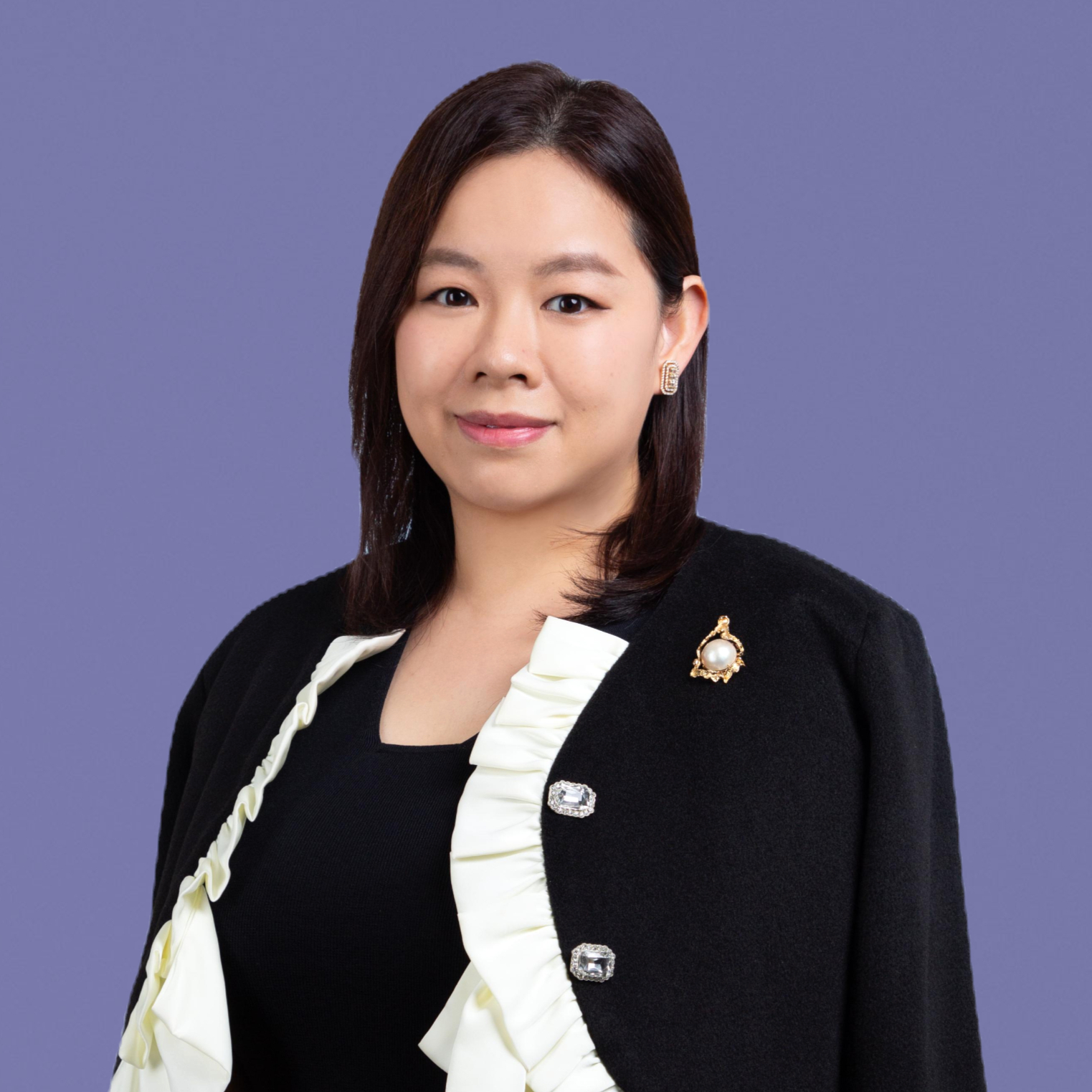
Charmaine YIM
Founder & Principal
Charmaine Yim established her law firm after more than 15 years of legal practice in Hong Kong. She is a seasoned solicitor with deep expertise in commercial litigation, restructuring, corporate finance, and mergers & acquisitions. Known for her pragmatic, client-first philosophy, Charmaine excels at combining technical legal precision with accessible, practical solutions. Beyond her private practice, she actively serves as a legal advisor to industry associations and volunteers her expertise for various charitable organizations.

Owen KUN
Barrister-at-Law, Liberty Chambers
Owen Kun was called to the Hong Kong Bar in 2020 and maintains a robust civil and criminal practice. On the civil front, he is frequently instructed in complex commercial matters, including commercial mortgages, large-scale loans, land disputes, and trusts. Owen also handles a wide array of criminal defence and regulatory disciplinary proceedings. Alongside his practice, he serves as a part-time lecturer at the City University of Hong Kong (SCOPE), providing legal training to the Immigration Department, and holds several honorary legal advisory roles within the community.

About Us
Charmaine Yim Lawyers is a boutique law firm in Hong Kong that combines breadth of practice with deep specialization in key areas. We are committed to delivering practical, efficient, and innovative solutions for our clients. Distinctive in our approach, we emphasize precision and creativity, guided by our philosophy.
Practice Areas

Looking forward to becoming your trusted legal partner. Whether you are seeking specific advice or would like to learn more about our services, you are welcome to reach us through the following methods.
Phone: +852 3698 0877
Fax: +852 3740 3028
Email: cyllp@cyllp.com.hk
Address: Suite 501, 5/F, Capital Centre, 151 Gloucester Road, Wan Chai, Hong Kong

Comments