A Comprehensive Guide to the Rights and Implications for Unmarried Parents in Hong Kong
Updated: 7 days ago


In modern society, family structures have evolved significantly. It is increasingly common for couples in Hong Kong to choose to have children without entering into a formal marriage. While the social stigma surrounding children born out of wedlock has largely faded, the legal framework governing these families presents unique challenges and distinctions compared to married parents.
If you and your partner are unmarried and expecting a child, or already have a child together, it is crucial to understand the legal implications. This article outlines the key legal considerations under Hong Kong law regarding parental rights, birth registration, financial maintenance and inheritance. Along the way, it addresses a common misconception: many unmarried parents mistakenly believe that registering the father’s name on the birth certificate automatically grants him parental rights—a point this guide will clarify in detail.
1. Parental Rights and Authority (Custody)
The most significant legal distinction for unmarried parents lies in the automatic allocation of parental rights.
Under the Guardianship of Minors Ordinance (Cap. 13) (“GMO”), when a child is born to unmarried parents, the biological mother automatically has sole parental rights and authority over the child.

The Unmarried Father’s Position:
Unlike a married father, an unmarried biological father does not automatically possess parental rights. This means he does not have an automatic legal say in major decisions regarding the child’s upbringing, such as education, medical treatment, religion, or relocation.
Many fathers find this system unbalanced, as the law imposes heavy financial obligations on them without automatically granting them a voice in their child's life. Historically, this law evolved to ensure absolute certainty at birth—since maternity is always certain, the law vests authority in the mother so that someone can immediately make legal and medical decisions for the newborn.
How can the father acquire parental rights?
The lack of automatic rights is a procedural hurdle, not an absolute barrier. An unmarried father can acquire parental rights through:

Section 3 Declaration:
If an unmarried father wishes to acquire parental rights, he may apply to the Family Court for an order under Section 3(1)(d) of the GMO (Cap. 13). This specific court order formally grants the unmarried father certain parental rights and authority regarding the child.
Custody Order:
The father can also apply to the Family Court for a custody order (often a "Joint Custody" order). The Court heavily favours the involvement of both parents and will grant this if it is in the "best interests of the child."
Subsequent Marriage:
If the parents subsequently marry each other, the child is legally "legitimated," and the father automatically acquires equal parental rights.
2. Birth Registration: Paternity vs. Parental Rights
Registering the birth of a child is a statutory requirement under the Births and Deaths Registration Ordinance (Cap. 174). For unmarried parents, the father's name will not be automatically registered unless both parents attend the registry jointly, or one parent produces a statutory declaration made by the other acknowledging parentage.

What does the Birth Certificate actually do?
It is a common misconception that putting the father's name on the birth certificate grants him parental rights. It does not.
What it DOES do:
It establishes legal paternity. It serves as formal legal recognition that he is the biological father, which triggers his legal duty to financially maintain the child and secures the child's right to inherit from his estate.
What it DOES NOT do:
It does not grant him parental rights or authority. He still cannot make legal decisions for the child without a court order.
3. Financial Support and Maintenance
Regardless of marital status, both biological parents have a legal obligation to maintain their child financially. The law views this entirely through the lens of the child's rights to be supported by the people who brought them into the world.
If the relationship breaks down, the primary caregiver can apply to the Family Court for financial provision from the other parent. The court can order periodical (monthly) payments, lump sums, or property transfers for the benefit of the child.
Duration of Maintenance and Carer's Allowance:
Duration:
Typically, child maintenance orders last until the child reaches 18 years of age or completes full-time education.
Carer's Allowance:
Upon application, the Court may also include a modest carer's allowance in the maintenance payment to support the primary caregiver (usually the unmarried mother). This is granted under Section 10(2) of the GMO. The carer's-allowance jurisprudence has been developed by the courts following English authorities such as Re P (Child: Financial Provision) [2003] 2 FLR 865. While this sum is paid to the primary caregiver (usually the unmarried mother) to support her caregiving role, its legal purpose remains the welfare of the child—the allowance is classified as child-related expenditure on the basis that a well-supported caregiver directly benefits the child. The allowance is discretionary and depends on the carer satisfying the court's requirements.

What if the Mother is Financially More Well-Off?
Hong Kong family law is strictly gender-neutral. The court assesses the reasonable financial needs of the child and apportion those costs between the parents based on their respective incomes and earning capacities (the Proportionality Principle).
If the wealthy mother is the primary caregiver:
The father is not absolved of his duty, but he will only be ordered to pay an amount that is reasonable and affordable given his specific financial circumstances. He will not be financially crippled by the order.
If the father is the primary caregiver:
He has the full legal right to apply to the Family Court for an order compelling the wealthy mother to pay child maintenance.
No Spousal Maintenance:
It is vital to note that unmarried partners cannot claim financial maintenance for themselves (spousal maintenance) after a relationship breaks down. Any money ordered by the court, including the aforementioned carer's allowance, is fundamentally tied to the maintenance and benefit of the child.
4. Inheritance Rights
Historically, children born out of wedlock faced severe disadvantages regarding inheritance. Fortunately, the law in Hong Kong has been reformed to remove these inequalities.
Under the Parent and Child Ordinance (Cap. 429) and the Intestates' Estates Ordinance (Cap. 73), the legal distinction between "legitimate" and "illegitimate" children has been abolished for inheritance purposes.

Intestacy (Dying without a Will):
If either biological parent passes away without a Will, the child has the exact same rights to inherit from the deceased parent’s estate as a child born within a marriage.
Wills:
If a parent’s Will leaves gifts to "my children," this term is legally presumed to include children born out of wedlock, unless explicitly stated otherwise.
(Note: For the child to inherit from the father's estate, paternity must be established, reinforcing the importance of having the father's name on the birth certificate).
5. The Question of Fairness: Why is the Law Structured This Way?
Many unmarried fathers feel the system is unbalanced—imposing heavy financial obligations while requiring them to jump through legal hoops for basic parental rights.
This structure stems from historical common law, which prioritised two overlapping concerns: first, ensuring absolute certainty of legal authority at birth—since maternity is always certain, the law vests rights in the mother so that someone can immediately make medical and welfare decisions for the newborn; and second, protecting the mother from being legally paralysed by an absent or uncooperative father, since granting automatic joint rights to all unmarried fathers regardless of involvement could effectively give a veto to someone who has played no role in the child’s life.
Today, the law views these obligations entirely through the lens of the child's rights. A child has a fundamental right to be financially supported by both parents. While the lack of automatic rights for fathers is a procedural hurdle, modern Family Courts heavily favour the involvement of both parents. The legal pathway to obtain rights is clear and accessible for committed fathers.
Furthermore, there is ongoing discussion within the Hong Kong Law Reform Commission to modernize these laws, potentially granting automatic parental responsibility to unmarried fathers who jointly sign the birth certificate, though this has not yet been enacted.
Conclusion
While Hong Kong law has made great strides in protecting the rights of children born out of wedlock—particularly in areas of inheritance and financial support—the lack of automatic parental rights for unmarried fathers remains a critical legal distinction.
Unmarried parents should proactively address these legal gaps to ensure their child's future is secure. Unmarried fathers, in particular, should not be discouraged by the lack of automatic rights but should take the necessary legal steps to formalize their parental authority. It is highly advisable for unmarried parents to consult with a family law solicitor to discuss formalizing parental rights, drafting a Will, and ensuring their family's legal foundations are solid.
For parents navigating wealth disparities or separation, family mediation is often a highly effective way to reach realistic, child-focused arrangements without contentious litigation.

Disclaimer: This article is for general informational purposes only and does not constitute legal advice. Family law is highly dependent on the specific facts of each case. You should seek independent professional legal advice tailored to your specific circumstances.
Article author
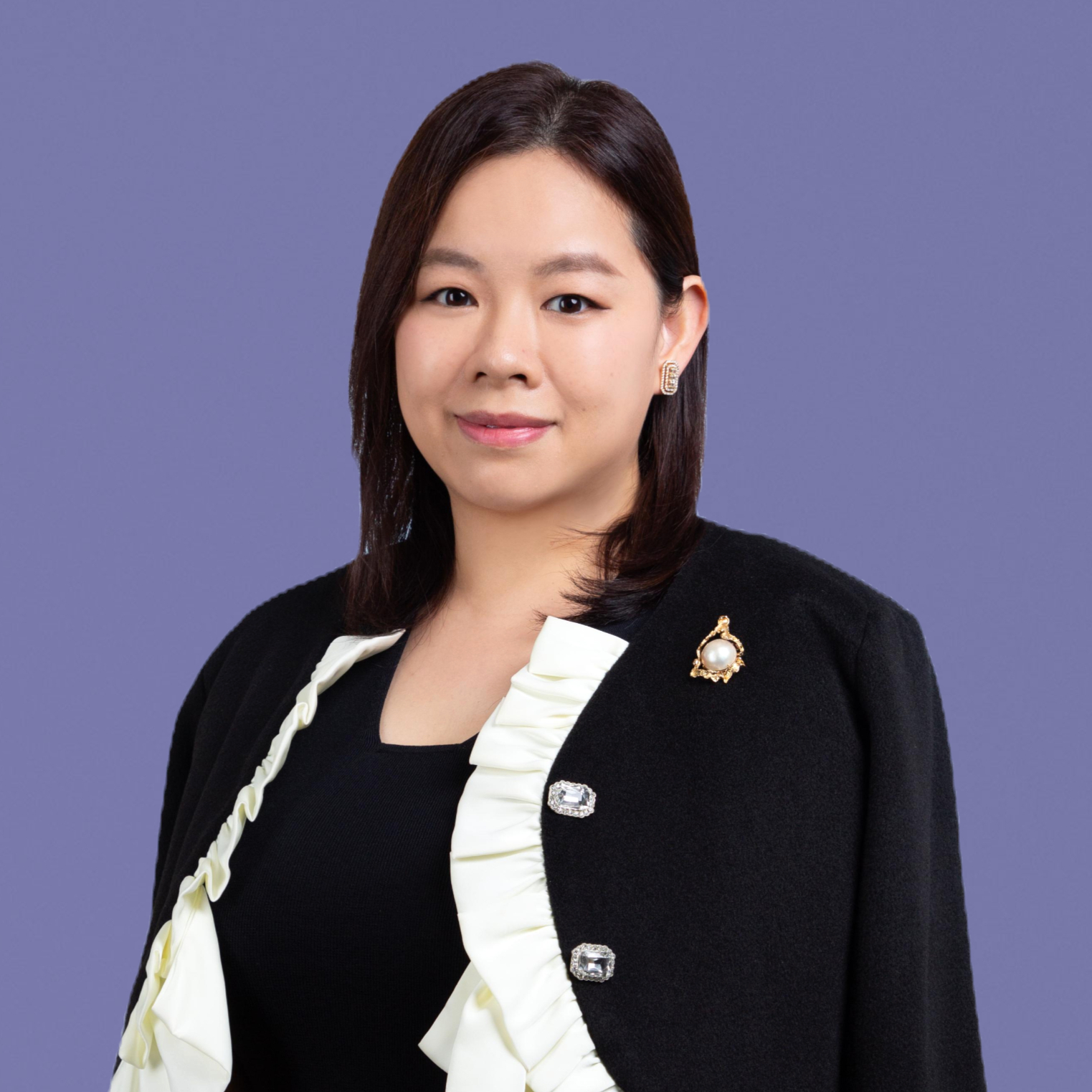
Charmaine YIM
Founder & Principal
As a seasoned litigator, Charmaine applies her extensive dispute resolution experience to complex family law and matrimonial proceedings. Guided by her philosophy of "clients first, practical solutions, and precision," she provides pragmatic, empathetic advice to help families navigate challenging times smoothly.

Tennie WONG
Senior Associate
Tennie holds dual qualifications in Hong Kong and England & Wales, bringing an international perspective to her practice. She specializes in matrimonial and family law, focusing on divorce, custody disputes, and cross-border family arrangements. Known for her approachable and empathetic style, Tennie combines rigorous litigation skills with genuine care to guide clients through complex family matters.

About Us
Charmaine Yim Lawyers is a boutique law firm in Hong Kong that combines breadth of practice with deep specialization in key areas. We are committed to delivering practical, efficient, and innovative solutions for our clients. Distinctive in our approach, we emphasize precision and creativity, guided by our philosophy.
Practice Areas

Looking forward to becoming your trusted legal partner. Whether you are seeking specific advice or would like to learn more about our services, you are welcome to reach us through the following methods.
Phone: +852 3698 0877
Fax: +852 3740 3028
Email: cyllp@cyllp.com.hk
Address: Unit A, 5/F, Capital Centre, 151 Gloucester Road, Wan Chai, Hong Kong

Comments